How do I know if my garage door spring is broken?
Common signs are a loud bang, a door that feels very heavy, an opener that hums without lifting, or a gap in the coil. A provider can confirm it safely on site.
Request an estimate, no obligation
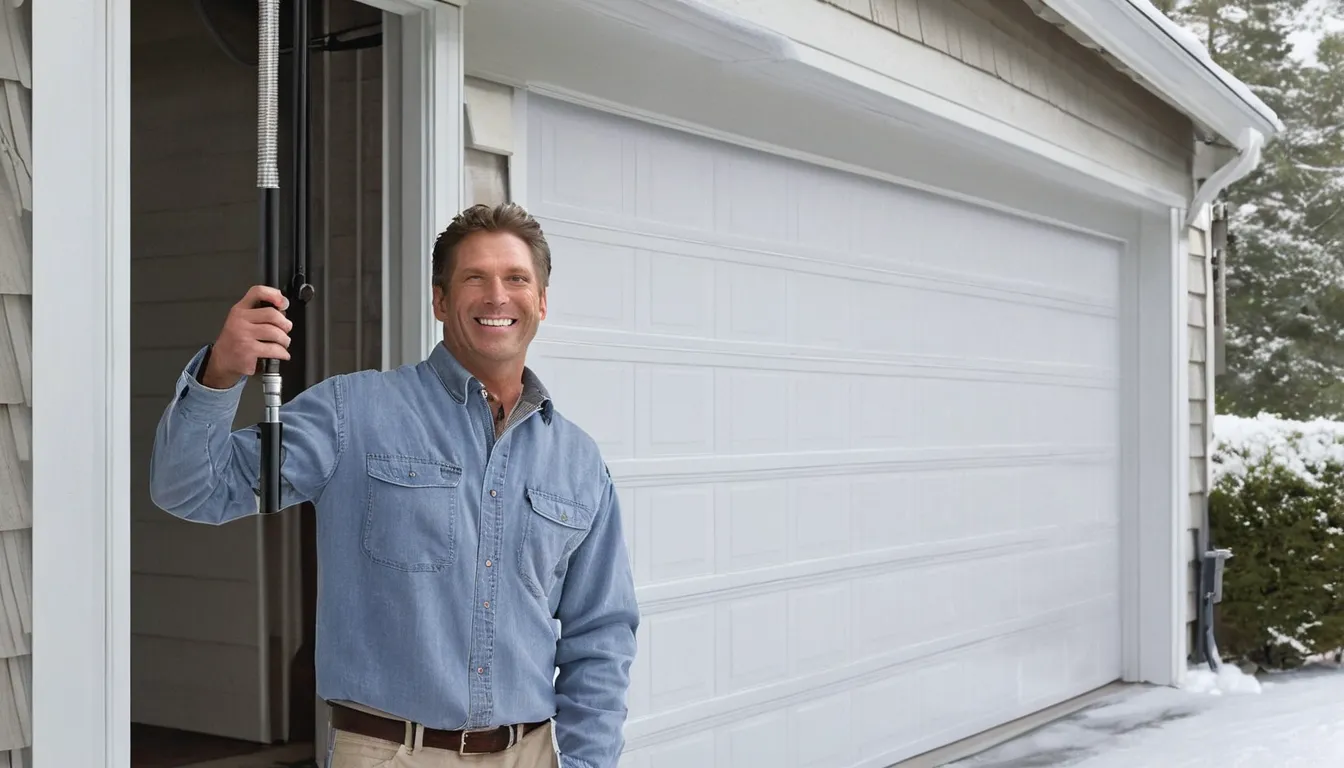
A loud bang from the garage, then a door that will not lift. That is usually a broken spring. Take a breath. It is a common problem, and it has a clear fix. The spring carries the weight of the door, so this is not a job to rush or try yourself.
Fragnatika Garage Doors is a referral service. We do not do the repair. We connect you with independent providers in our network who replace garage door springs for homes in Norristown and across the Norristown area. Tell us what happened, and a local provider can follow up to plan a visit that fits your day.
If you just heard a bang and the door will not budge, stop. Do not keep pressing the button. Do not pull on the door.
A spring under tension can hurt you. A door with a broken spring can also feel light one moment and drop the next. Keep kids and pets away from it.
You often know before you look. Here are the common signs:
If you see one or more, treat the spring as the likely cause. A provider can confirm it on site.
Cold snowy winters are hard on springs. Metal gets stiff in the freeze, and the daily open and close adds up. Freeze-thaw swings can also leave ice around the bottom seal, which makes a weak door fight harder.
If your car is stuck inside during a storm week, a quick plan matters. Many providers can respond quickly, but availability varies. Request a callback to check provider availability, or send the request form and wait for a follow-up.
There are two main kinds. Knowing yours helps you talk to a provider.
These sit on a bar above the door opening. They twist to lift the door. They tend to last longer and run smoother. Many newer and heavier doors use them.
These run along the sides, beside the tracks. They stretch and shrink as the door moves. They are common on older homes, including many Cape Cod style houses with lighter doors.
Some homeowners switch from extension to torsion during a repair. A provider can tell you if that makes sense for your door.
Videos make it look easy. It is not. The spring holds a lot of stored force, and the wrong move can cause a serious injury.
Springs must also match the weight of your door. A wrong size can wear out fast or leave the door unbalanced. A provider has the right bars, tools, and parts for the job.
Plain and honest: this is a repair to hand off.
Most visits follow a simple path. The provider checks the door and confirms the spring is the cause. They weigh the door, choose the right spring, and swap it in. They then set the tension and test the balance.
Good providers also look at the parts around it. That can include cables, rollers, and track alignment. A bent or shifted track can make a new spring work harder, so it is worth a look while they are there.
A standard spring is built for a set number of open and close cycles. A busy household can reach that number sooner than you think. Think school runs, groceries, bikes, and trash day.
High-cycle springs are made to last for more cycles. They cost more up front. If your garage is your main front door, ask the provider if an upgrade is worth it for you.
If your door has two springs and one breaks, the other is the same age. It may be close behind. Many providers suggest replacing both so the door stays balanced. Ask about it, and ask for the reason in plain words.
You have work, school, and a long list of things to do. A spring visit should not take over your week.
Here is what helps:
Fits your day is the goal. Most spring jobs are shorter than people expect, though it depends on the door and the parts.
Some situations cannot wait long. A door stuck open leaves your home exposed. A door stuck shut can trap a car you need. If that is you, ask about emergency garage service when you reach a provider. Availability and pricing differ, so ask upfront.
A calm chat before the visit saves stress later. Consider asking:
Sometimes a provider notices the opener is worn out too. A strained opener may have been fighting a broken spring for a while. If you need a new garage door opener, that is a separate job. You can ask for a quote on it, but you do not have to say yes.
Some policies may cover sudden damage, but a worn spring is often seen as normal wear. Check your policy to be sure. Providers can often help document damage for a claim if a storm or an accident caused it.
We are the middle step, not the contractor. You send a request. A provider in our network follows up. The provider gives the quote and does the work. You decide whether to go ahead.
A provider confirms the spring is the cause and checks the door's weight and balance.
The broken spring comes out and a correctly sized one goes in.
The new spring is tuned so the door lifts evenly and stays put.
Cables, rollers, and track alignment get a look before the visit ends.
Prices depend on your door, the spring type, and where you live. These are typical U.S. ranges only. Ask for a written quote before work starts, so you know what is included and can compare with confidence.
| Item | Typical range | Notes |
|---|---|---|
| Single torsion spring replacement | $150 – $350 | Price rises with door weight and size |
| Pair of torsion springs | $200 – $500 | Often suggested so the door stays balanced |
| Extension springs (pair) | $120 – $300 | Common on lighter, older doors |
| High-cycle spring upgrade | $250 – $650 | Built for heavier daily use |
| Cable, roller, or track add-on | $50 – $250 | Only if the visit shows wear |
| Evening or weekend visit fee | $50 – $200 | Varies by provider; ask before booking |
Share what you heard or saw, your door type if you know it, and times that work for you.
A local provider follows up to confirm details and plan a visit.
Ask for the spring type, price, and scope in writing before you agree.
The provider replaces the spring, sets the balance, and tests the door.
You know who we are and who does the work.
Send a short request and skip the long phone searches when your day is already full.
Providers in our network work in your area and set their own quotes.
Ask questions, compare quotes, and decide on your own time.
Send a short estimate request or email contact@fragnatika.site. A provider in our network can follow up, and there is no obligation to hire.
No obligationCommon signs are a loud bang, a door that feels very heavy, an opener that hums without lifting, or a gap in the coil. A provider can confirm it safely on site.
It is not safe to force it. The door is heavy, and it can drop suddenly. Leave it alone, keep people clear, and ask a provider about the safest way to open it.
Standard springs are built for a set number of cycles, often several years of normal use. Busy households wear them faster. High-cycle springs last longer, and a provider can advise on your door.
Send a short estimate request or email contact@fragnatika.site. A provider in our network can follow up, and there is no obligation to hire.
No obligation